Wet drywall can look deceptively normal.
A wall may feel slightly damp on the surface while moisture sits inside the gypsum core, behind the baseboard, or inside the wall cavity. After a burst pipe, roof leak, sprinkler discharge, or plumbing failure, commercial property owners often ask the same question: does the drywall need to come out? Sometimes, yes. Sometimes, no. The decision depends on how wet the material became, how long it stayed wet, what type of water caused the damage, and whether the wall assembly can dry properly.
Not All Wet Drywall Has to Be Removed
Drywall does not automatically require demolition every time it gets wet. If water exposure is limited, the material remains structurally sound, and drying begins quickly, some drywall may be able to dry in place. Restoration professionals may use moisture meters and other tools to evaluate the affected area and track whether moisture levels are improving.
The wall cavity matters too. Drywall can appear dry while insulation, wood framing, or other concealed materials remain wet behind it. In that situation, crews may need to create access or remove a portion of the wall so the assembly can dry correctly. The goal should not be to remove as much material as possible. It should be to remove what is necessary and preserve what can reasonably remain.
When Drywall Removal Becomes More Likely
Removal is more likely when drywall becomes heavily saturated, loses strength, begins to sag, crumbles, or remains wet despite drying efforts. Water that has traveled through multiple floors or sat inside a wall cavity for an extended period can also make selective demolition necessary.
The source of the water matters. A clean plumbing leak creates different conditions than water that may contain contaminants. In more complicated losses, affected porous materials may require removal rather than drying in place.
Commercial buildings can make the decision less straightforward. A wall may contain insulation, electrical components, plumbing, multiple layers of drywall, or construction from previous renovations. Around Pittsburgh, older properties sometimes reveal a bit of everything once a wall is opened. That is why the actual building conditions need to guide the scope.
What Is Selective Demolition?
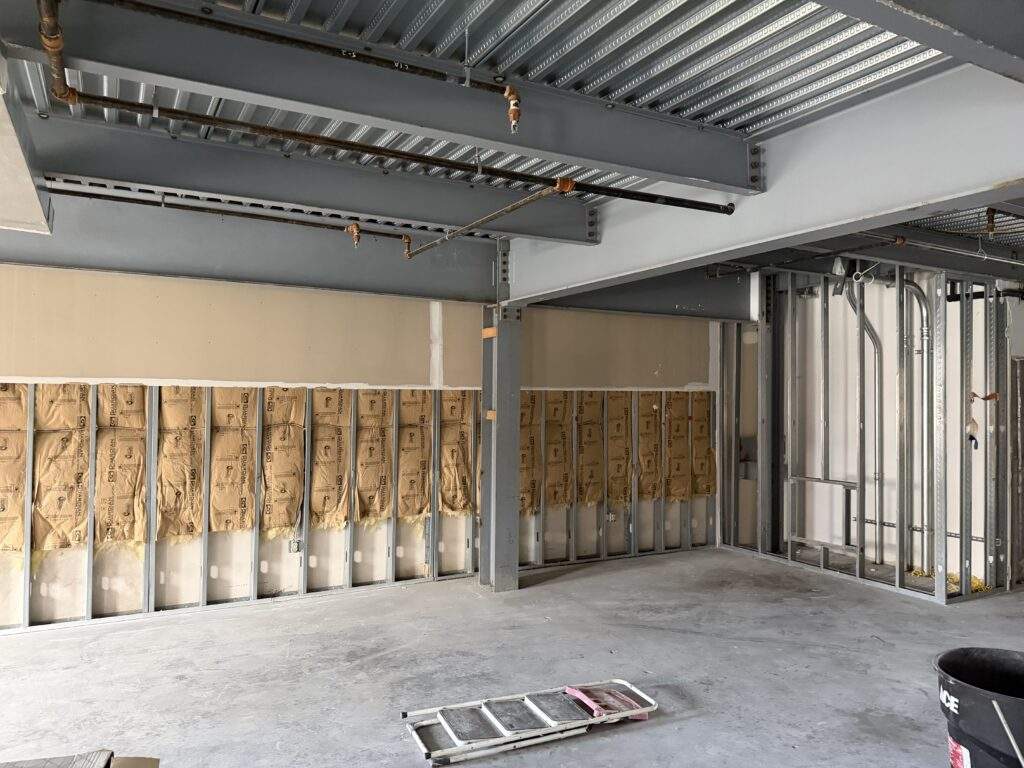
Selective demolition means removing only the portions of the building necessary to access, dry, or restore damaged areas. Instead of tearing out an entire room automatically, crews may remove a lower section of drywall, affected ceiling material, damaged insulation, baseboards, or specific flooring.
This approach can help limit unnecessary reconstruction while still giving drying equipment access to trapped moisture. It can also reveal hidden water pathways that were not visible during the first inspection.
A clean-looking wall is not always a dry wall.
What Happens After the Drywall Comes Out?
Removal is only one stage of commercial water mitigation. Once affected materials are removed, crews can continue structural drying, dehumidification, moisture monitoring, and evaluation of framing or other building components.
After the property reaches appropriate drying conditions, reconstruction begins. New drywall may need to be installed, finished, primed, painted, and integrated with existing ceilings, flooring, trim, or other finishes. Larger losses may require repairs across multiple rooms, tenant spaces, or floors.
3Rivers General Contracting provides commercial water mitigation, selective demolition, restoration, and reconstruction throughout Greater Pittsburgh. If water has affected drywall, ceilings, flooring, or other materials in your commercial property, call 412-643-4581 or visit 3riverscm.com. The right answer is not always “tear it out.” It is to determine what is wet, what can be saved, and what needs to be rebuilt.