The fire may be out, but the house is not necessarily ready to live in.
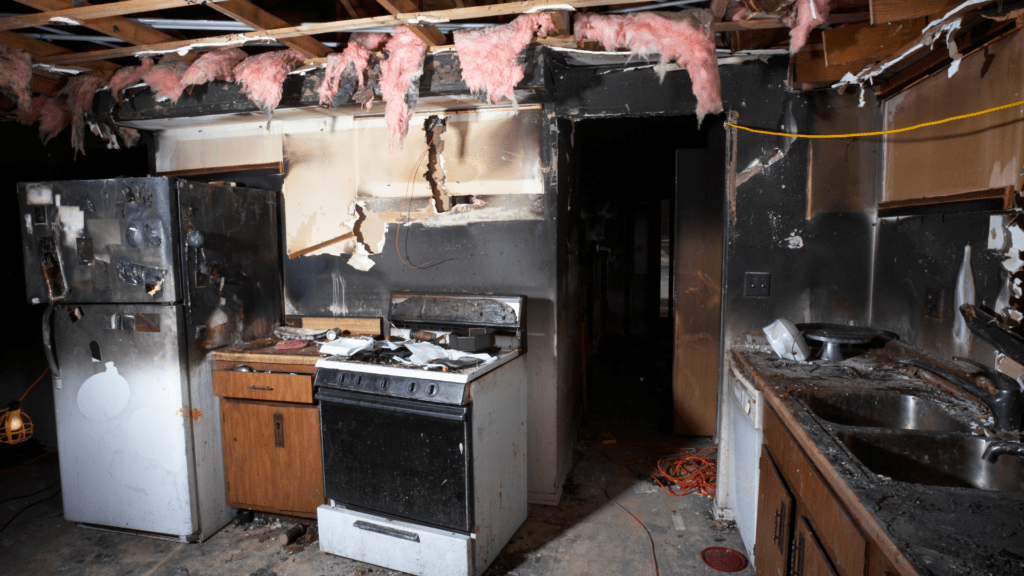
After a residential fire, homeowners may be dealing with burned materials, smoke residue, soot, lingering odor, broken windows, water from fire suppression, and rooms that are unsafe to enter. Even a relatively small fire can affect areas well beyond the place where the flames started. For Pittsburgh homeowners, the first priority is safety. The next step is understanding the full extent of the damage before cleanup and repairs begin.
Do Not Enter the Home Until It Is Safe
Wait until the fire department or other appropriate authority says the property can be entered. Fire can weaken ceilings, walls, stairs, flooring, and other structural components. Electrical systems may also be damaged, and water from firefighting efforts can create additional hazards.
Once access is permitted, move carefully and avoid disturbing damaged areas unnecessarily. Keep children and pets away from the property until conditions are understood. If certain rooms remain restricted, respect those boundaries.
This is not the moment to start hauling things out just because they look ruined.
Document the Damage Before Cleanup
Take photographs and video of the affected areas when it is safe to do so. Capture direct fire damage, smoke staining, soot, damaged ceilings, flooring, walls, cabinets, doors, and water from fire suppression.
Document rooms that appear less damaged too. Smoke can travel through hallways, door openings, HVAC pathways, attic spaces, and wall cavities. A bedroom several rooms away from the fire may still have odor or residue even when nothing burned there.
Good documentation can also be helpful if the loss involves a homeowners insurance claim.
Expect Smoke and Soot to Travel
Smoke does not stay put.
It can move through a home and settle on walls, ceilings, trim, furniture, fixtures, and other surfaces. Soot may leave visible residue, while smoke odor can remain inside porous materials long after the air looks clear.
Avoid simply wiping everything down with ordinary household cleaners. Different materials can react differently to smoke and soot, and aggressive cleaning can sometimes spread residue or create additional damage.
Professional restoration may involve specialized cleaning, odor treatment, material evaluation, and removal of components that cannot reasonably be restored.
Watch for Water Damage After the Fire
Fire damage and water damage often arrive together.
Firefighters may use substantial amounts of water, and sprinkler systems can saturate walls, flooring, insulation, ceilings, and lower levels of the home. Plumbing or building systems can also become damaged during the fire.
That means residential fire restoration may require water extraction, structural drying, dehumidification, and moisture monitoring before reconstruction begins.
The flames may be gone. The moisture may still be moving.
Plan for Repairs and Reconstruction
Cleanup is only one part of the recovery process. Fire, smoke, soot, and water damage may require drywall, ceilings, flooring, doors, trim, cabinetry, paint, and other building materials to be removed and replaced.
That is where restoration transitions into reconstruction.
3Rivers General Contracting provides residential fire damage restoration, smoke and soot restoration, and reconstruction throughout Greater Pittsburgh for eligible property-loss projects. If fire or smoke has affected your home, call 412-643-4581 or visit 3riverscm.com.
The goal is not simply to clean what happened. It is to make the home safe, functional, and ready to live in again.