Property damage creates a vocabulary problem almost immediately. A pipe bursts, a fire damages part of a building, or a storm sends water through the roof, and suddenly everyone is talking about mitigation, restoration, remediation, repairs, and reconstruction. Those words often get lumped together, but they describe different stages of the recovery process. For commercial property owners in Pittsburgh, understanding the difference helps clarify what needs to happen first, what comes next, and why a building can be technically “dry” while still being nowhere close to usable.
What Is Property Damage Mitigation?
Mitigation comes first. Its purpose is to stop additional damage and stabilize the property before conditions get worse. After a water loss, commercial mitigation may include water extraction, structural drying, dehumidification, moisture monitoring, and selective removal of damaged materials. After a fire or storm, mitigation may also involve temporary protection, debris removal, isolation of unsafe areas, or other measures that reduce continued exposure. The key idea is simple: mitigation does not rebuild the property. It limits the damage and creates safer conditions for the next phase.
Speed matters here. Water can migrate under flooring, into drywall, and through lower levels of a building. Smoke can spread beyond the room where a fire started. Storm-created openings can continue allowing rain inside. A delayed response can turn a contained loss into a larger construction problem, and that gets expensive in a hurry.
What Is Property Restoration?
Restoration addresses the effects left behind after the immediate loss is under control. The specific work depends on what happened and which materials were affected. Restoration may include smoke and soot cleanup, odor treatment, surface cleaning, damaged-material removal, drying verification, or preparation of affected areas for repair. In some smaller losses, restoration may return a space to usable condition without major rebuilding.
Commercial properties often require more, though. A ceiling may be clean but still missing. Drywall may have been removed during mitigation. Flooring may be gone. That is where restoration starts handing the project over to reconstruction.
What Is Commercial Reconstruction?
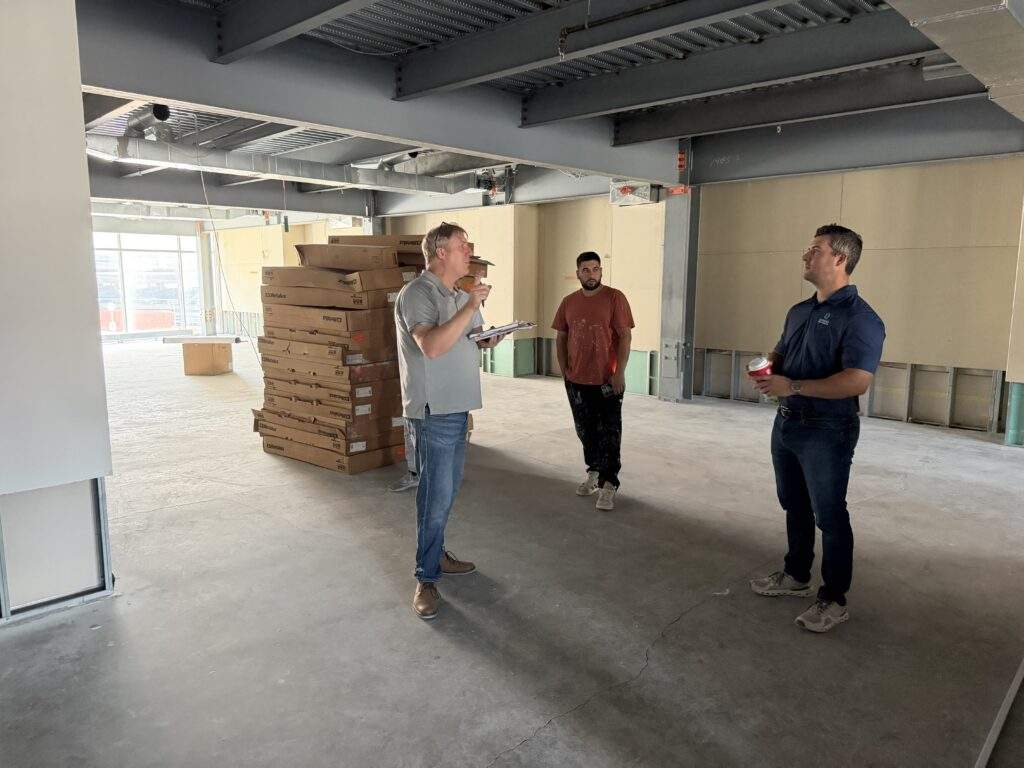
Reconstruction is the physical rebuilding stage. It puts the property back together after damaged materials have been removed and conditions are ready for construction. Commercial reconstruction can include framing, drywall, ceilings, flooring, doors, paint, millwork, restrooms, offices, customer areas, and other finished portions of the building.
Think of it this way: mitigation stops the bleeding, restoration cleans and stabilizes the wound, and reconstruction closes it up so the building can function again. Not glamorous, but accurate.
For businesses, that distinction matters because the job is not finished when the drying equipment leaves. Employees still need offices. Customers still need access. Tenants still need usable space. The building has to work again.
Why One Contractor Through the Recovery Process Can Help
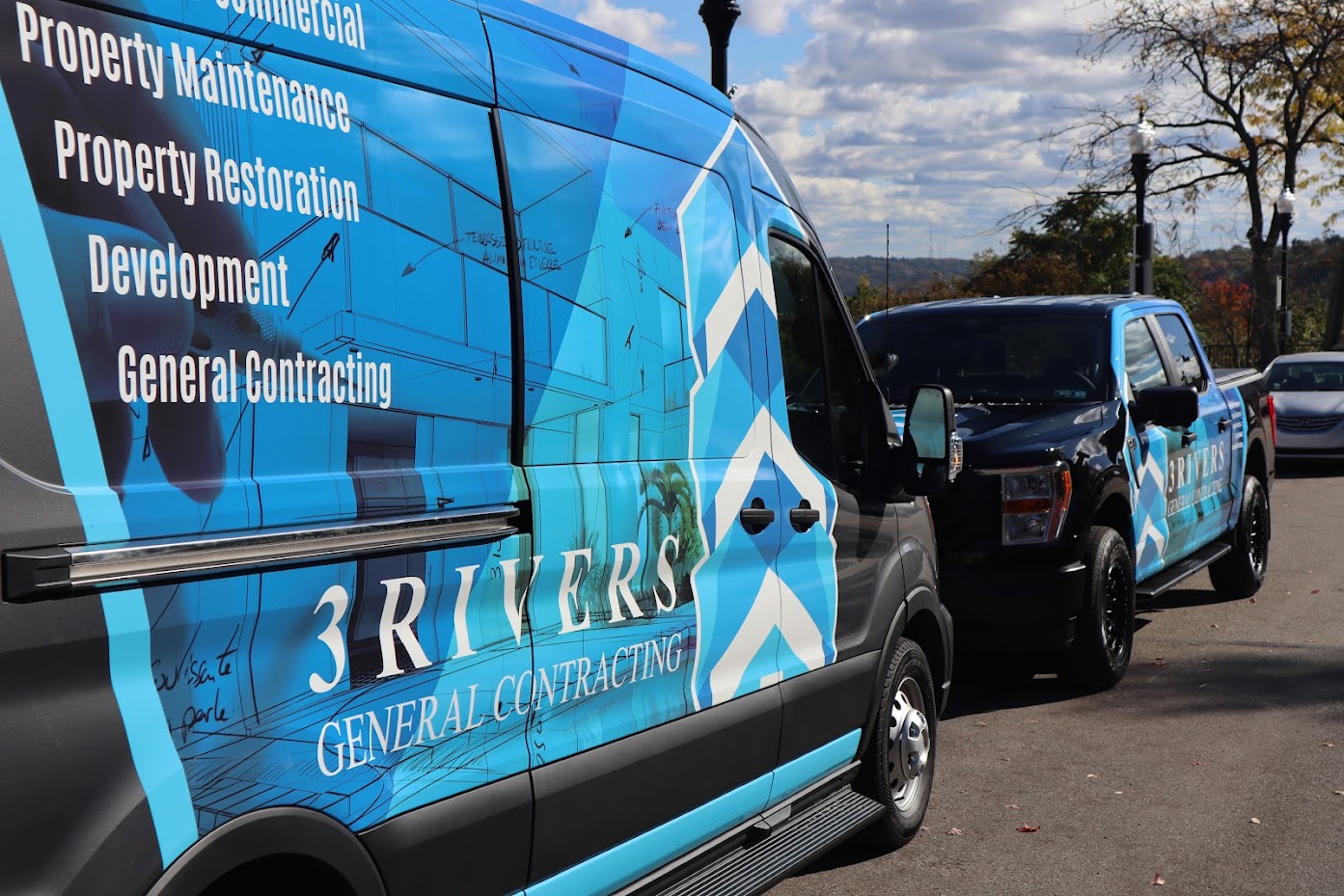
Commercial property losses often involve several moving parts, especially when water, fire, smoke, or storm damage affects multiple areas. 3Rivers General Contracting provides commercial mitigation, restoration, and reconstruction throughout Greater Pittsburgh, allowing eligible projects to move from immediate damage control into the construction required to restore the property.
If your commercial building has suffered water, fire, smoke, or storm damage, contact 3Rivers General Contracting at 412-643-4581 or visit 3riverscm.com. The recovery process becomes much clearer once you know which stage you are in and what needs to happen next.